
Article Brief
Discover the core differences between SEO and AEO, how AI search engines work, and practical strategies for VVS contractors in Sweden to win more leads.
SEO vs AEO: The Core Difference That Determines Who Gets Seen
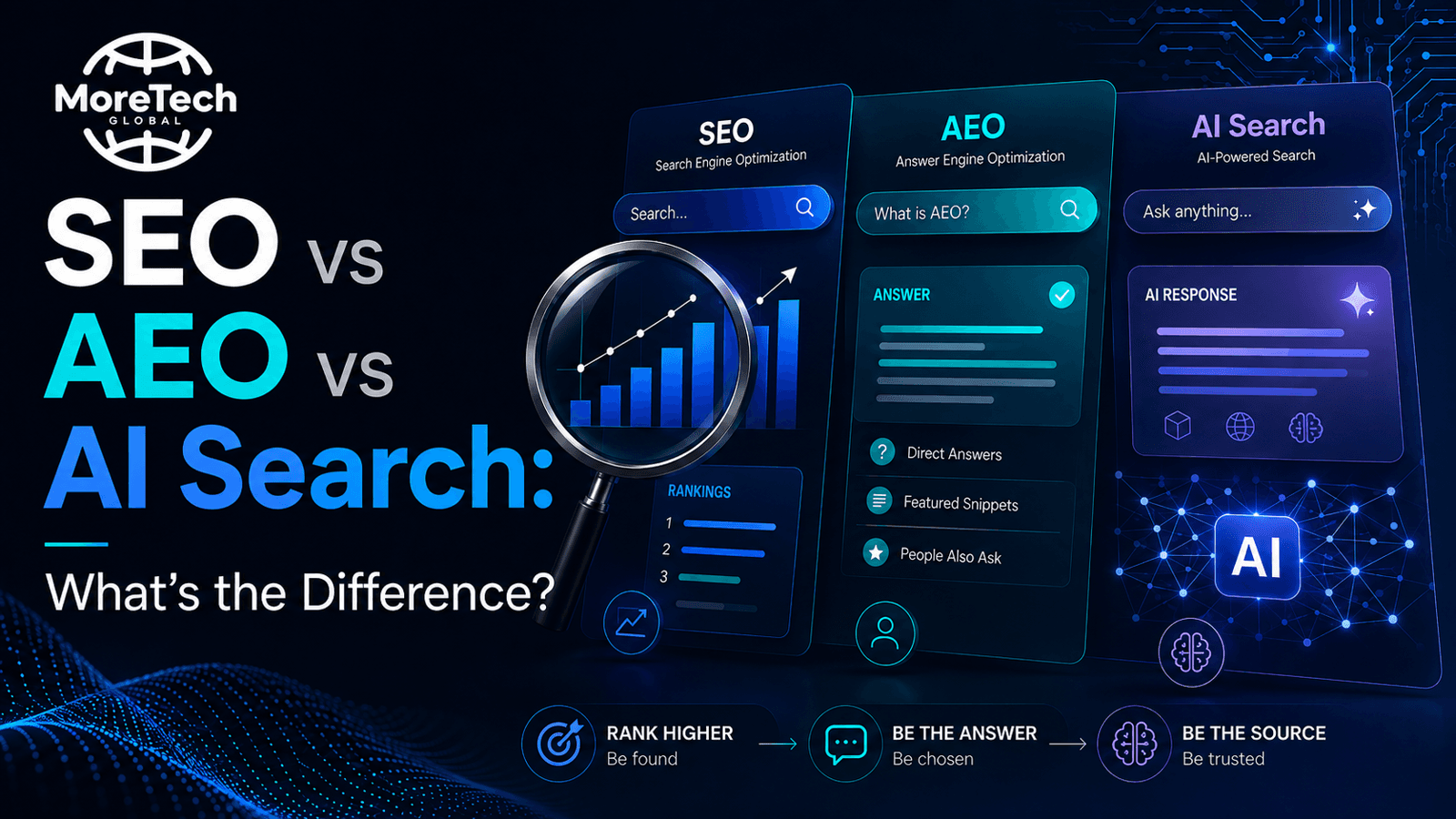
The debate between SEO and AEO is not a matter of hype; it’s a question of how the web’s most powerful discovery engines interpret content. Traditional search engines like Google rank pages based on keyword relevance, backlinks, and technical health. AI‑driven answer engines—chatbots, voice assistants, and generative models—look for structured signals that let them pull concise facts from your data without crawling a full page. For a VVS contractor in Sweden who relies on quick phone or web form responses, understanding this split is the difference between winning a job and losing it to a competitor’s instant reply.
1. What Each Engine Actually Seeks
SEO (Search Engine Optimization) focuses on ranking pages in SERPs. The goal: get your website listed, ideally in the top three positions, so that when a homeowner types “plumbing repair Stockholm” they click through to your site. Success is measured by organic traffic volume, keyword rankings, and conversion rates from those clicks.
AEO (Answer Engine Optimization) targets answer boxes, voice snippets, and AI chat responses. The objective: be the source of a direct answer that an AI model can surface without needing to load your page. This means structuring data so that models can read it as facts—think schema markup, FAQ sections, and concise content blocks.
In practice, a site with thin content or poor crawlability will struggle in both arenas. But AEO adds the requirement that your brand must be understandable beyond your own website. AI systems triangulate information from multiple sources; if they can’t find clear, authoritative data about you, they’ll default to another provider.
2. The Measurement Gap: Established Analytics vs Emerging Metrics
SEO benefits from mature tools—Google Search Console, Ahrefs, SEMrush—that give you keyword rankings, click‑through rates, and backlink profiles. AEO, by contrast, relies on visibility metrics that are still evolving. HubSpot notes that “AEO relies on emerging visibility metrics, while SEO relies on established analytics frameworks” (source: HubSpot AEO vs. SEO). For a small contractor, this means you’ll need to track:
- Number of times your content appears in AI answer snippets.
- Click‑through rates from voice assistants or chatbots.
- Conversion rate from those direct answers (e.g., phone calls, form submissions).
Because these metrics are new, many analytics platforms don’t yet report them. You’ll often need to combine data from your CRM, call tracking software, and AI platform dashboards to get a full picture.
3. Content Strategy: Depth vs. Precision
SEO rewards comprehensive, keyword‑rich articles. A 1,500‑word guide on “How to Fix a Leaking Faucet” that includes internal links, images, and user reviews can rank for multiple long‑tail queries.
AEO demands precision and structure. The same topic should be broken into short, fact‑based blocks:
- FAQ section with concise answers (e.g., “What causes a faucet leak?”).
- Schema markup that tags the FAQ as
QuestionandAnswer. - Clear contact information in a structured format so an AI can pull your phone number or booking link.
In other words, SEO is about how many people find you first; AEO is about how quickly they get the answer they need without leaving the platform.
4. The Overlap: When One Strategy Fuels the Other
Both engines share a baseline requirement—your content must be crawlable, authoritative, and relevant. A site that performs well in SEO will naturally have higher domain authority, which can boost its chances of being cited by AI models. Conversely, a strong AEO presence (e.g., frequent appearance in answer boxes) signals to search engines that your content is trustworthy, potentially improving organic rankings.
For VVS contractors, this means:
- Maintain a clean, mobile‑friendly website with fast load times.
- Use schema markup for services, reviews, and local business details.
- Publish both long‑form guides (SEO) and concise FAQ pages (AEO).
5. Practical Trade‑offs: Which Should You Prioritize?
Deciding between SEO and AEO depends on your current pain points:
- Slow response times to inquiries: If most leads slip away because you can’t answer quickly, focus on AEO. Build a chatbot that pulls data from your CRM and answers common questions instantly.
- Lack of organic traffic: If people aren’t finding you at all, invest in SEO fundamentals—keyword research, backlink building, and content depth.
- Mixed scenario: You get clicks but few conversions. Combine both by ensuring that the pages visitors land on are also structured for AI answers so they can quickly find your contact details.
6. Edge Cases: When AEO Can Hurt SEO
Over‑optimizing for AI answer snippets can sometimes reduce the depth of your content, which may hurt long‑term SEO rankings. For example, if you strip a page down to a single FAQ answer to appease an AI model, search engines might see it as thin content and demote it.
The key is balance. Keep a robust article that satisfies human readers while extracting the most valuable snippets for AI. Use structured data to separate the two layers without compromising either.
7. Measuring Success: A Dual Dashboard Approach
Create a dashboard
Sources
- All 35 Ahrefs Features Analyzed (2026): Full Breakdown
- HubSpot AEO vs Ahrefs: Features, Pricing & Best Fit
- How AI is Changing Featured Snippets & Position Zero SEO | Lamplight Creatives
- Plumbing SEO Case Study | How We Ranked a Local Plumber #1
- What Causes a Leaky Faucet? How to Diagnose and Fix It
Related reading
This is exactly what we build for you.
MoreTech turns the ideas in this article into a working system for your business — lead capture, instant follow-up, and automation that runs itself.
People Also Read

2 September 2026
AI Follow-Up Automation: Faster Follow-Up Without Sounding Robotic
AI Follow‑Up Automation: Faster Outreach Without the Robot Voice When a Swedish VVS contractor answe...
Read article
2 September 2026
AI Sales Agent vs Human SDR: Where Does Each One Win?
AI Sales Agent vs Human SDR: Where Each One Wins When a Swedish VVS contractor receives an inbound c...
Read article
1 September 2026
AI Agent vs Workflow Automation: What's the Difference?
AI Agent vs Workflow Automation: What Small VVS Contractors Should Know When a Swedish plumbing inst...
Read article